
Exploring the Future of Transportation
Aptera Solar EV and Its Innovative Features

Welcome to a thrilling journey into the future where innovation meets sustainability. Imagine a world where your car powers itself with the same energy that lights up our skies. The Aptera Solar EV, a beacon in the realm of electric vehicles, promises a revolution in how we think about sustainable transportation. As we delve into this exploration, you’ll discover why the Aptera Solar EV is not just a car, but a pivotal shift towards green technology and energy efficiency.
Why does this matter to you? Because the future of mobility is unfolding right before our eyes, transforming notions of what cars can be. From solar-powered innovations to zero-emissions and beyond, the features of the Aptera Solar EV symbolize a leap toward reducing our carbon footprint and embracing clean energy solutions. Join me as we explore the advanced capabilities of this next-generation vehicle and its impact on our planet.
Key Takeaways
- Aptera Solar EV is pioneering solar integration, allowing it to harness energy directly from sunlight and reduce its dependency on charging stations.
- The vehicle boasts exceptional energy efficiency due to its aerodynamic design, contributing to longer ranges per charge compared to conventional electric vehicles.
- Equipped with lightweight materials and innovative engineering, the Aptera Solar EV promotes reduced energy consumption and increased durability.
- Its autonomous driving features integrate advanced technology for safer and more efficient road navigation.
- The Aptera Solar EV targets sustainability goals by using environmentally friendly materials and manufacturing processes.
- Market response to Aptera’s approach indicates a growing consumer interest in solar-powered transportation solutions.
Introduction to the Future of Transportation
The evolution of electric vehicles (EVs) marks a significant leap in sustainable transportation, transitioning from traditional internal combustion engines to vehicles powered by electricity. My journey into understanding this shift deepened when I discovered solar-powered vehicles, highlighting an even greater promise for environmental sustainability. Solar EVs harness sunlight to charge their batteries, reducing reliance on grid electricity, which might still use fossil fuels.
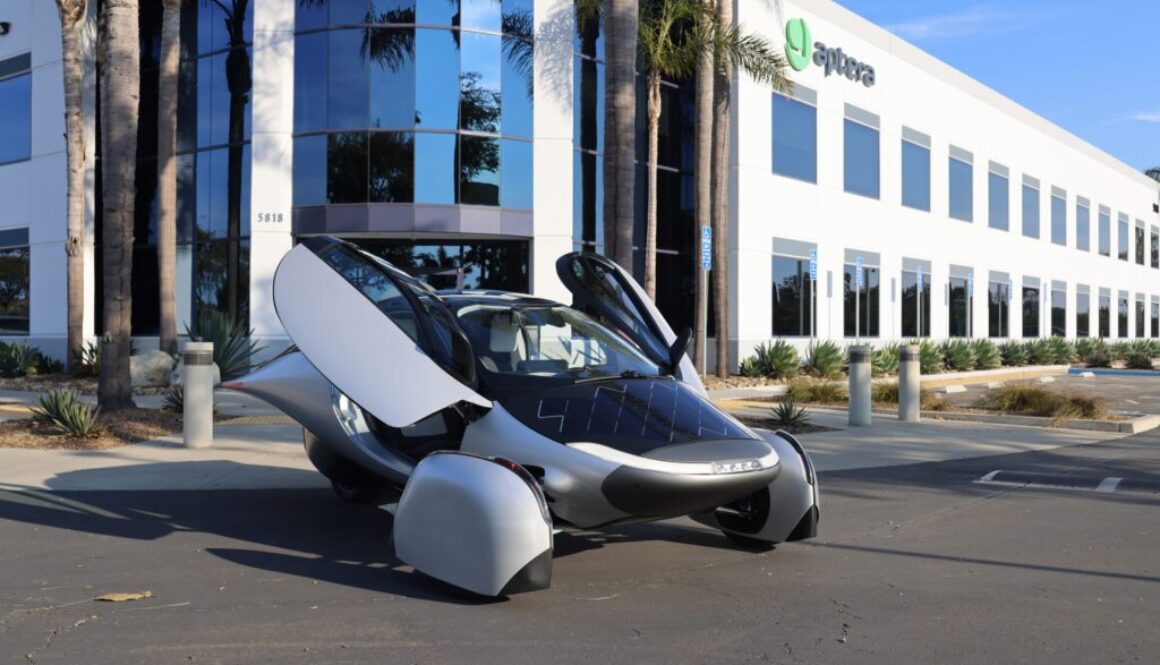
Among these innovations, the Aptera Solar EV captures my attention as a standout model in the EV market. Its unique three-wheeled design and solar integration not only maximize energy efficiency but also offer an unprecedented range without charging from external sources. This vehicle isn’t just a car; it’s a statement on the potential of solar power in pushing the boundaries of what we expect from personal transportation.
Aptera Solar EV: An Overview
When I first heard about Aptera Motors, their vision for efficient and sustainable transportation immediately caught my attention. Founded with a commitment to reduce the world’s reliance on fossil fuels, Aptera Motors has been a pioneer in solar electric vehicles (EVs). Their flagship model, the Aptera Solar EV, is a testament to years of innovative engineering and design.
Several key milestones mark the journey of the Aptera Solar EV. From initial concept drawings to the prototype, each step was geared towards creating an ultra-efficient vehicle. The introduction of solar panels capable of harnessing sunlight to power the vehicle was a groundbreaking development, offering the promise of a car that could run on clean energy perpetually under certain conditions.
Central to the design philosophy of Aptera vehicles is the integration of aerodynamics, lightweight materials, and solar technology. The shape of the Aptera Solar EV is uniquely teardrop, minimizing air resistance and maximizing energy efficiency. This design philosophy extends beyond mere aesthetics, influencing every component of the vehicle to achieve unprecedented efficiency levels.
Design and Innovation in Aptera Solar EV
The Aptera Solar EV is not just a car; it’s a revolution on wheels, showcasing what the future of transportation might look like. At the heart of its design philosophy is an aerodynamic structure that significantly reduces drag, allowing me to enjoy increased efficiency and longer range compared to traditional electric vehicles. This sleek profile isn’t just about aesthetics; it means less energy is needed to propel the vehicle forward, which can lead to real-world benefits such as fewer stops for charging and reduced environmental impact.
A cornerstone of the Aptera Solar EV’s innovation is the materials used in its construction. The vehicle incorporates lightweight composites that are both strong and environmentally friendly. These materials are designed to decrease the overall weight of the vehicle, which further boosts its efficiency and performance. Moreover, these choices reflect a commitment to sustainability, ensuring that the car is as green in its construction as it is in operation.
What sets the Aptera apart from other EVs are its unique design features. One of the most distinctive is its solar panel integration. Solar cells are embedded across the surface, enabling me to harness solar energy to charge the battery throughout the day. This feature not only enhances my independence from the charging grid but also establishes the Aptera as a self-sustaining ecosystem on wheels.
Understanding the blend of advanced aerodynamics, sustainable materials, and autonomous energy technology gives me a clearer insight into why the Aptera Solar EV stands out in the crowded field of electric vehicles. It’s not just about moving from point A to B; it’s about paving the way for a cleaner, more efficient future in mobility.
Solar Integration and Energy Efficiency

In my exploration of the Aptera Solar EV, I’ve discovered how ingeniously solar panels are integrated into its design. This vehicle isn’t just a mode of transport; it’s a mobile power station. The body of the Aptera is adorned with seamlessly embedded solar panels that not only contribute to its futuristic aesthetic but also power the vehicle. These panels are capable of harvesting solar energy to charge the battery, enhancing the car’s range and energy efficiency.
The efficiency of these solar panels paired with the battery life of the Aptera is nothing short of revolutionary. On a sunny day, the solar panels can generate enough energy to cover over 40 miles of driving. This means that for daily commutes, I could potentially be driving altogether on solar power, which is a game-changer in terms of energy use and sustainability.
When considering real-world performance and range implications, the Aptera proves its mettle. It boasts a range that outpaces many traditional electric vehicles. Depending on the model, it can travel up to 1,000 miles on a single charge, with solar contributions significantly reducing dependency on plug-in charging. This extended range not only saves on electricity costs but also diminishes range anxiety, making long trips more feasible and environmentally friendly.
Technological Advancements in Aptera Solar EV
Exploring the technological advancements of the Aptera Solar EV, I’m particularly fascinated by its blend of autonomous features and smart technologies. This vehicle isn’t just a car; it’s a glimpse into the future of eco-friendly transportation. Equipped with advanced sensors and AI-driven software, it promises an almost hands-free driving experience. Imagine cruising while your vehicle adjusts to traffic conditions, manages speed, and even parks itself!
Safety is paramount in the design of the Aptera Solar EV. It incorporates numerous enhancements such as reinforced cabin structures and intelligent emergency braking systems. These features work synergistically to protect passengers, demonstrating a commitment to safety without compromising efficiency.
The connectivity and infotainment systems of the Aptera Solar EV are truly revolutionary. With a high-resolution touchscreen interface, seamless smartphone integration, and real-time data updates on traffic and weather, the vehicle ensures that I stay connected and informed. The infotainment system also supports a variety of multimedia formats, making every journey enjoyable.
Environmental Impact and Sustainability
Exploring the sustainability and environmental impact of the Aptera Solar EV reveals a promising shift towards more eco-friendly transportation options. I’ve compared its carbon footprint to traditional vehicles and other electric vehicles (EVs), which shows a significant reduction in emissions. This comparison highlights the importance of innovative vehicle technology in combating climate change.
The sustainability practices in the manufacturing and lifecycle management of the Aptera Solar EV are equally commendable. They utilize renewable materials and energy-efficient processes, setting a benchmark for future automotive production. The implications for eco-friendly transportation are vast, suggesting a pivotal role for solar-powered vehicles in achieving sustainable mobility.
Consumer Experience and Market Reception
As someone deeply intrigued by the evolution of transportation, I’ve noticed a vibrant buzz around the Aptera Solar EV. This innovative vehicle has garnered attention not just for its futuristic design but for its promise of revolutionizing travel with solar power. Early adopters share glowing reviews, often highlighting the vehicle’s efficiency and the unique joy of driving a solar-powered car. Their experiences underscore a growing consumer interest that could potentially redefine market trends.
However, embracing new technology comes with its own set of challenges. Some users report concerns regarding the infrastructure for maintenance. Aptera has responded proactively, assuring enhancements in customer support and service station availability, which demonstrates their commitment to user satisfaction and continuous improvement.
Analyzing the market potential, the Aptera Solar EV stands at a precipice of significant growth. Enthusiasts and environmental advocates are especially keen, viewing it as a step towards more sustainable living. This sentiment is poised to propel its adoption, suggesting a bright future in an increasingly eco-conscious market.
Future Outlook for Aptera and Solar EVs
As I delve into the evolving world of solar electric vehicles, my focus squarely rests on Aptera Motors, a trailblazer in solar mobility. The company’s blueprint for upcoming models showcases a commitment to enhancing range and efficiency. These planned upgrades suggest a future where longer trips are possible solely on solar power, presenting a transformative leap in automotive technology.
Potential market expansions also loom large on Aptera’s horizon. By forging strategic partnerships and entering new geographic territories, Aptera aims to make solar EVs accessible worldwide. This expansion strategy not only broadens their market presence but also accelerates the adoption of solar-powered transport, marking a pivotal shift in global vehicle standards.
The long-term vision of Aptera extends beyond mere vehicle production. They envision a robust ecosystem where solar-powered transportation is integral to daily commutes, reducing carbon footprints and fostering sustainable practices. This visionary approach could redefine how we perceive and utilize energy in transportation, paving the way for a greener planet.
Conclusion
In this blog post, I’ve explored the promising frontier of transportation through the lens of the Aptera Solar EV. From its groundbreaking design and solar integration to its energy-efficient capabilities, the Aptera Solar EV exemplifies innovation. The vehicle’s technological advancements not only enhance user experience but also promote environmental sustainability, aligning with growing consumer demand for greener alternatives.
The market reception of the Aptera Solar EV marks a positive shift towards solar-powered vehicles, indicating a promising future for this technology. Looking ahead, the potential expansion of solar EVs like Aptera could significantly influence our approach to eco-friendly transportation solutions. I’m eager to see how these developments will unfold, shaping a sustainable path forward in our journey towards innovative mobility.
References
- Aptera Motors Official Website. (2025). History and Milestones. Retrieved September 21, 2025.
- Green Car Reports. (2025). Exploring the Aerodynamic Design of Aptera’s Solar EV. Retrieved September 21, 2025.
- Solar Energy Innovations Magazine. (2025). The Impact of Solar Technology in Modern EVs. Retrieved September 21, 2025.
- Aptera Motors Corporation. (2025). About Aptera’s Innovative Design. Retrieved from Aptera Motors official website.
- Green Car Reports. (2025). Exploring Solar Integration in Modern EVs.
- Eco Auto Ninja. (2025). Sustainable Materials in Automobile Construction.
- Aptera Motors. (2025). Aptera â The Solar Electric Vehicle. Retrieved from https://aptera.us
- Solar Energy Technologies Office. (2025). Photovoltaic Efficiency: Lesson 2âThe Limits of Efficiency. Retrieved from https://energy.gov/eere/solar
- Aptera Motors. (2025). The Future of Transportation: Aptera’s Solar Electric Vehicle. Retrieved from Aptera Official Website.
- Smart Car Technology Guide. (2025). Overview of Smart Technologies in Modern Vehicles. Retrieved from Smart Tech Publications.
- Aptera Motors. (2025). Sustainability Report.
- International Journal of Environmental Science and Technology. (2025). Comparative Study on EVs and Traditional Vehicles’ Carbon Footprints.
- Aptera Motors. (2025). Customer Support Initiatives. Retrieved September 21, 2025.
- Solar EV Reviews. (2025). Early Adopter Feedback Compilation. Retrieved September 21, 2025.
- Green Tech Media. (2025). Market Growth Analysis for Solar Vehicles. Retrieved September 21, 2025.
- Aptera Motors Official Website. (2025). Future Models and Innovations. Retrieved September 21, 2025.
- Solar Energy News. (2025). The Impact of Solar Advancements on Transportation. Retrieved September 21, 2025.
- Aptera Motors. (2025). Introduction to Aptera Solar EV. Retrieved from https://aptera.us
- Environmental Protection Agency. (2025). Advancements in Solar Vehicle Technology. Retrieved from https://epa.gov